Taking care of your teeth is essential at any age, but dental health becomes increasingly important as we get older. After 50, changes in gums, enamel, and overall oral health can increase the risk of cavities, gum disease, and tooth loss.
Maintaining a healthy smile isn’t just about appearance—it affects overall health, including your heart, digestive system, and even your mental well-being. This guide will cover everything you need to know about dental health after 50, from common problems to prevention strategies and treatment options.
Why Dental Health Changes After 50
Several factors contribute to changes in oral health as we age:
- Gum Recession – Gums naturally recede with age, exposing tooth roots and making teeth more vulnerable to decay and sensitivity.
- Tooth Wear – Years of chewing, grinding, and acidic foods can wear down enamel.
- Dry Mouth (Xerostomia) – Medications, medical conditions, or reduced saliva production can increase the risk of cavities and gum disease.
- Bone Density Loss – Bone supporting the teeth can weaken, especially in women after menopause, increasing the risk of tooth loss.
- Systemic Health Conditions – Diabetes, heart disease, and other conditions can impact oral health.
Common Dental Problems After 50
1. Gum Disease (Periodontitis)
Gum disease is one of the most common dental issues in older adults. It starts as gingivitis (inflamed gums) and can progress to periodontitis, causing bone loss and tooth loosening.
Signs to watch for:
- Bleeding gums while brushing or flossing
- Red, swollen, or tender gums
- Bad breath or persistent bad taste
Prevention: Regular dental checkups, thorough brushing, flossing, and using an antibacterial mouthwash.
2. Tooth Decay and Cavities
Even if you’ve had few cavities in your younger years, aging teeth can become more prone to decay. Receding gums expose roots, which are softer than enamel and more susceptible to cavities.
Tips:
- Use fluoride toothpaste or rinses
- Limit sugary and acidic foods
- Chew sugar-free gum to stimulate saliva
3. Tooth Sensitivity
Sensitivity to hot, cold, or sweet foods often occurs due to worn enamel or exposed roots.
Management:
- Use toothpaste designed for sensitive teeth
- Avoid very acidic foods
- Talk to your dentist about protective treatments like sealants or fluoride varnishes
4. Dry Mouth (Xerostomia)
Dry mouth is common after 50, especially if taking multiple medications. Saliva protects teeth from decay, helps digestion, and keeps the mouth comfortable.
Solutions:
- Drink plenty of water throughout the day
- Chew sugar-free gum or lozenges to stimulate saliva
- Avoid alcohol and tobacco, which can worsen dryness
5. Oral Cancer Risk
The risk of oral cancer increases with age. Early detection is key.
Warning signs:
- Persistent sores or ulcers that don’t heal
- Lumps or thickened areas in the mouth
- Difficulty chewing or swallowing
- Unexplained bleeding
Tip: Regular dental exams include oral cancer screenings. Early detection significantly improves outcomes.
6. Tooth Loss
Tooth loss can occur due to decay, gum disease, or trauma. Missing teeth affect chewing, speaking, and even facial structure.
Options:
- Dental implants: Replace teeth and preserve bone
- Bridges: Fill gaps using adjacent teeth for support
- Dentures: Removable options for multiple missing teeth
Daily Dental Care Tips
Brushing
- Brush twice daily using a soft-bristled toothbrush
- Use fluoride toothpaste to strengthen enamel
- Replace your toothbrush every 3–4 months
Flossing
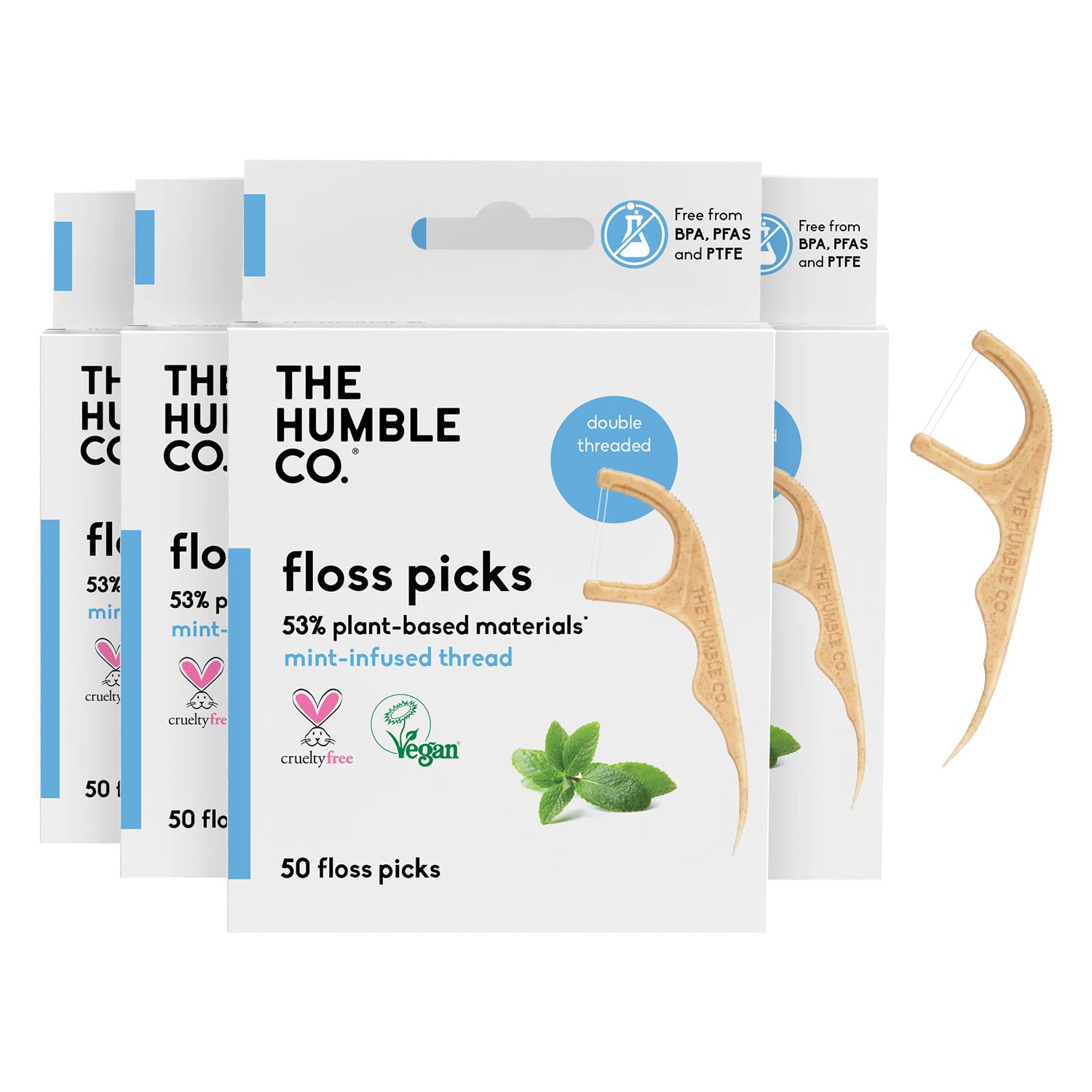
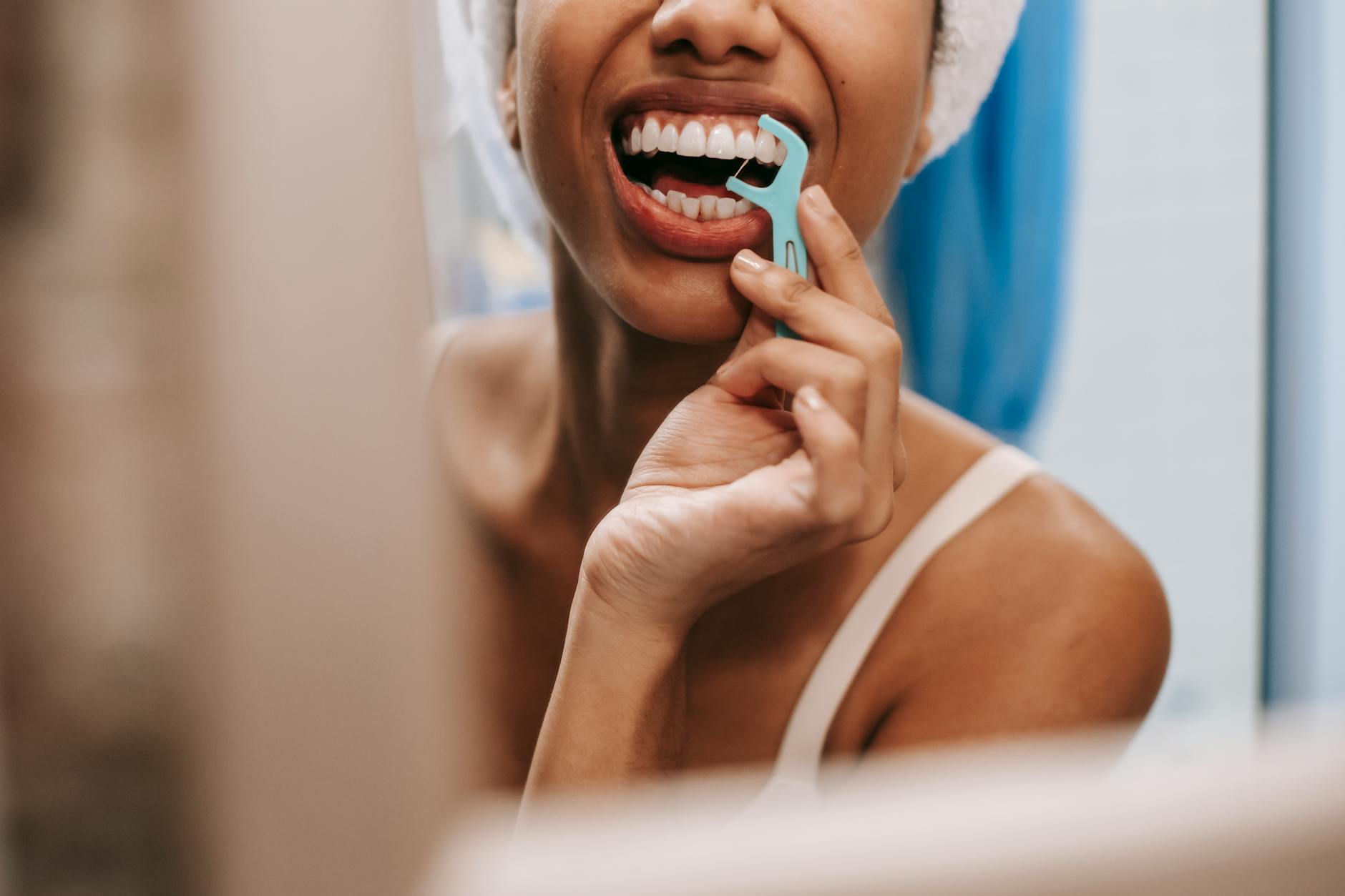
- Floss at least once daily to remove plaque between teeth
- Consider water flossers if manual flossing is difficult
Mouthwash
- Antibacterial mouthwash can reduce plaque and gum inflammation
- Fluoride rinses help strengthen enamel and prevent cavities
Diet for Dental Health
- Limit sugar and acidic foods
- Eat calcium-rich foods like milk, cheese, and leafy greens
- Include vitamin D and phosphorus to strengthen teeth and bones
Advanced Dental Care Options
Dental Implants
Implants are titanium posts inserted into the jawbone to support crowns or bridges. They provide a permanent solution for missing teeth, improve chewing, and maintain facial structure.
Crowns and Bridges
Crowns restore damaged teeth, while bridges replace missing teeth by anchoring to adjacent teeth. Both improve function and aesthetics.
Periodontal Treatments
For advanced gum disease, treatments may include:
- Deep cleaning (scaling and root planing)
- Antibiotic therapy
- Surgical interventions in severe cases
Cosmetic Dentistry
Many adults over 50 seek cosmetic improvements:
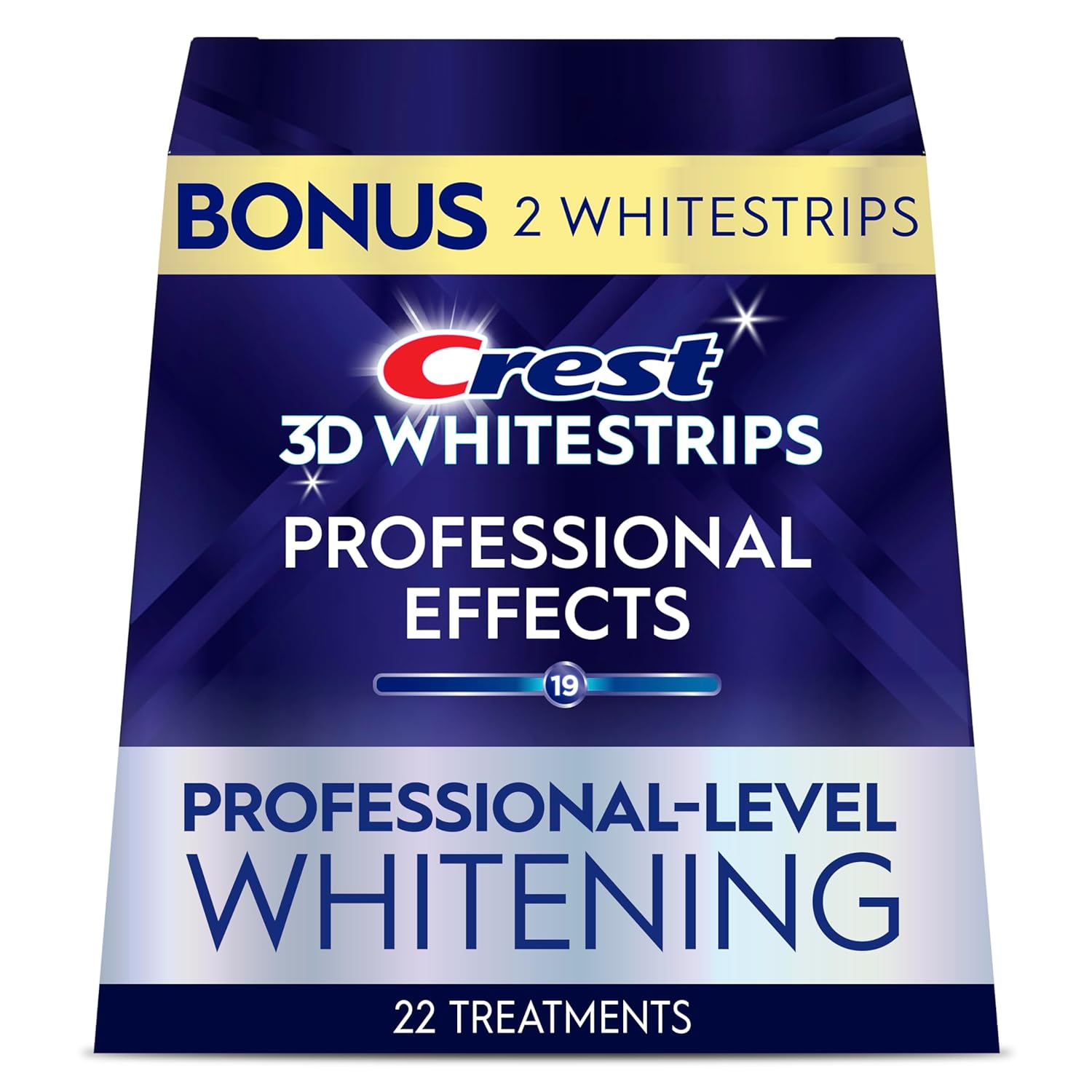
- Teeth whitening for discoloration
- Veneers to correct shape or alignment
- Orthodontic options like clear aligners for minor corrections
How Systemic Health Impacts Dental Health
Oral health is closely linked to overall health. For example:
- Diabetes: Increases risk of gum disease
- Heart disease: Chronic inflammation from gum disease may contribute to cardiovascular problems
- Osteoporosis: Can weaken jawbone, affecting teeth stability
Maintaining dental health supports whole-body wellness.
Lifestyle Habits That Protect Teeth
- Quit Smoking: Tobacco increases risk of gum disease, tooth loss, and oral cancer.
- Limit Alcohol: Excessive alcohol can dry the mouth and increase oral cancer risk.
- Exercise Regularly: Healthy circulation promotes strong gums and overall immunity.
- Manage Stress: High stress can lead to teeth grinding (bruxism) and gum inflammation.
- Stay Hydrated: Saliva production helps wash away bacteria and protect teeth.
Regular Dental Checkups
Visiting your dentist at least twice a year is critical after 50. Checkups allow:
- Early detection of cavities and gum disease
- Oral cancer screenings
- Professional cleaning to remove plaque and tartar
- Advice on diet, supplements, and at-home care
Dental Products for Adults Over 50
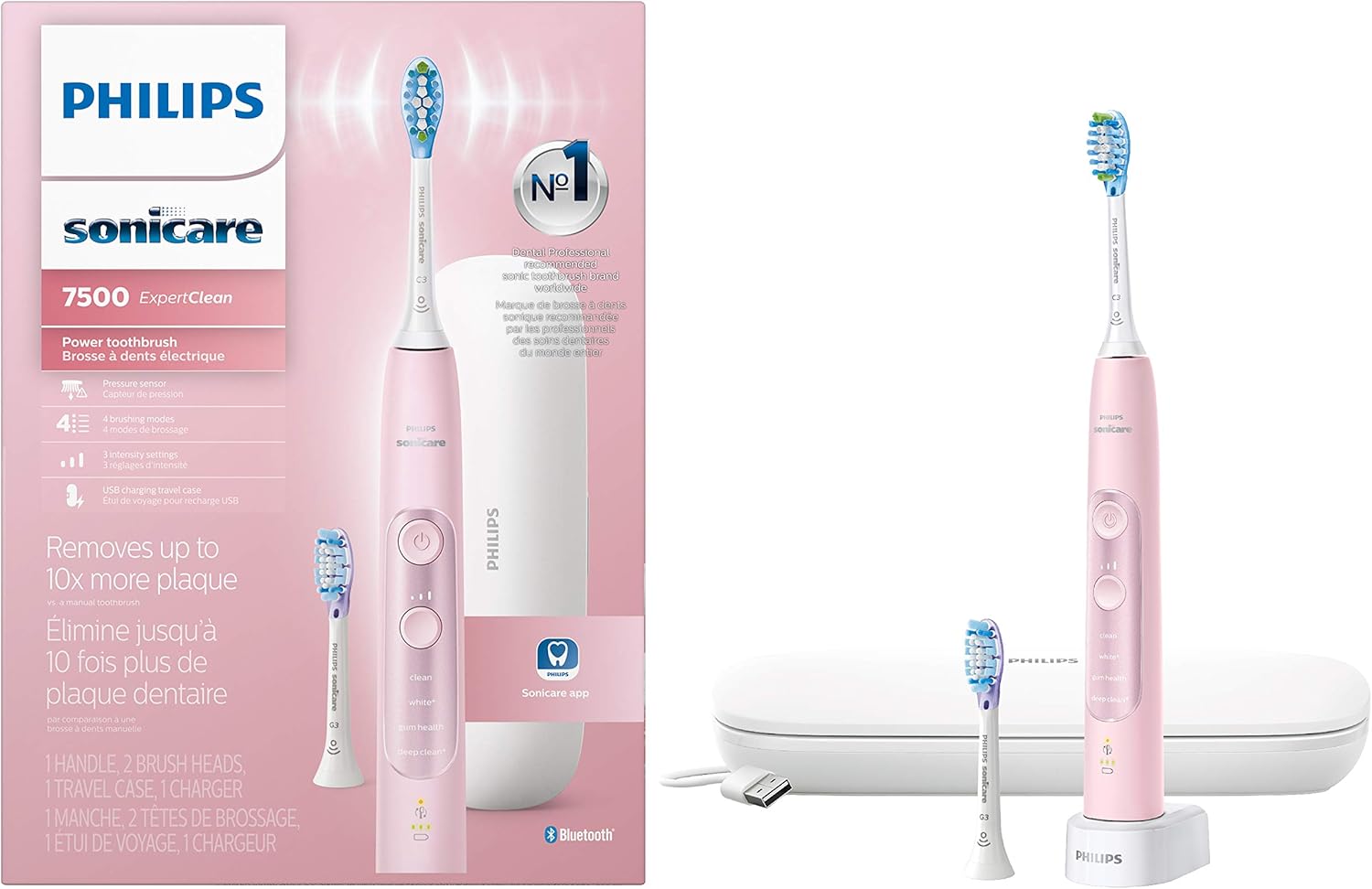
Toothbrushes: Soft-bristled electric toothbrushes are gentle on gums and effective at cleaning.
Fluoride Toothpaste: Strengthens enamel and protects against decay.
Mouthwash: Antibacterial or fluoride rinses reduce plaque and prevent cavities.
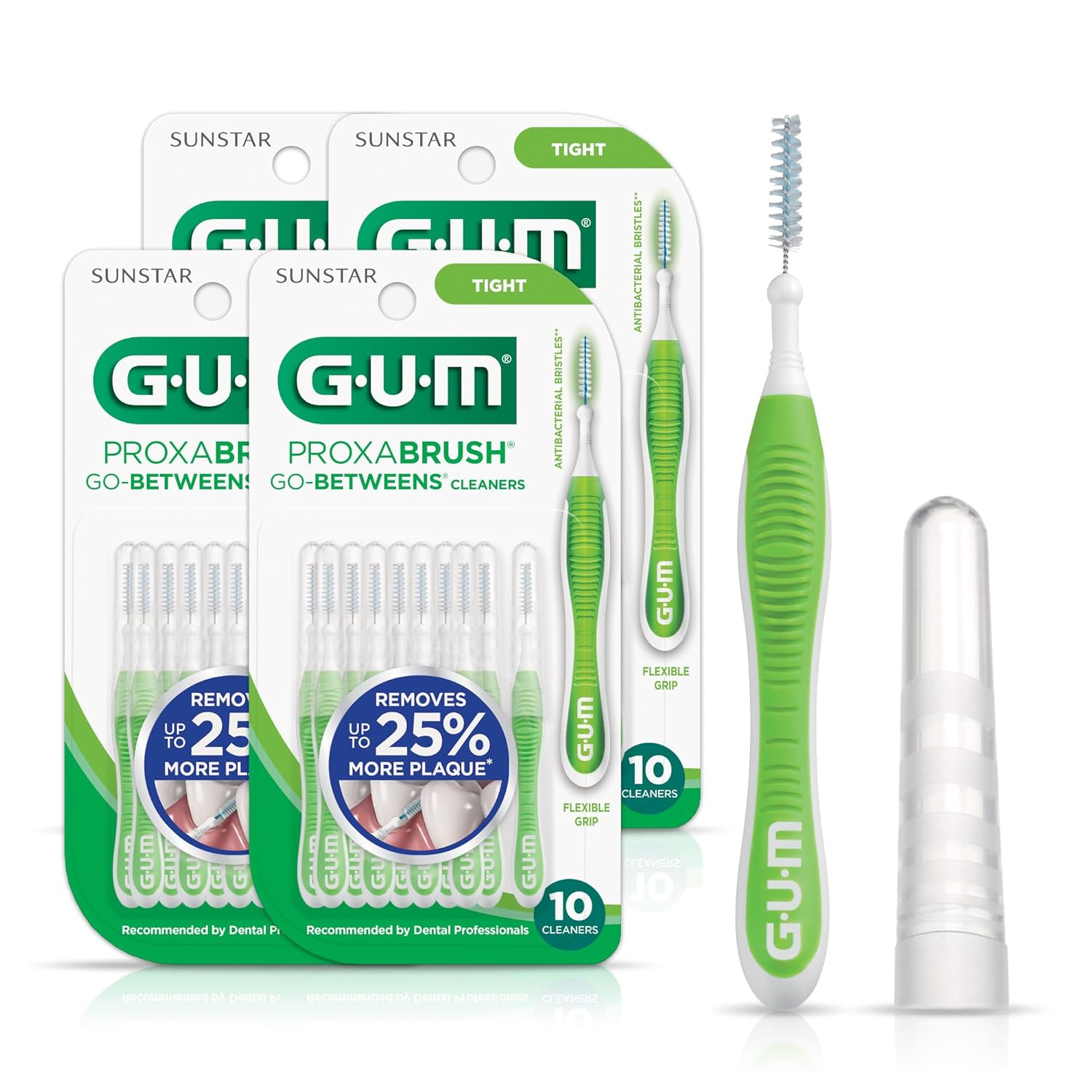
Interdental Brushes/Floss: Reach areas traditional brushing may miss.
Dealing With Common Concerns
Sensitive Gums: Use a toothpaste for sensitive teeth and a soft-bristled toothbrush.
Dry Mouth: Use sugar-free gum, lozenges, or saliva-stimulating sprays.
Bad Breath: Brush twice daily, floss, clean the tongue, and drink water regularly.
The Role of Nutrition in Dental Health
- Calcium: Supports strong teeth and bones (found in dairy, almonds, leafy greens)
- Vitamin D: Enhances calcium absorption (sunlight, fatty fish, fortified foods)
- Vitamin C: Supports gum health (citrus, strawberries, bell peppers)
- Phosphorus: Strengthens tooth enamel (fish, eggs, nuts)
Avoid frequent snacking on sugary foods, which feeds cavity-causing bacteria.
Signs You Should See a Dentist Promptly
- Persistent bleeding gums
- Tooth pain or sensitivity
- Loose teeth
- Sores or unusual growths in the mouth
- Bad breath that doesn’t resolve
Early intervention can prevent minor problems from becoming major issues.
The Connection Between Dental Health and Overall Well-Being
Maintaining dental health affects more than just your smile. Poor oral health has been linked to:
- Heart disease
- Diabetes complications
- Respiratory infections
- Low self-esteem and social withdrawal
Investing in oral health is an investment in your overall health and quality of life.
Conclusion
Dental health after 50 is vital for both appearance and overall wellness. While aging brings natural changes to teeth and gums, consistent care—brushing, flossing, healthy diet, and regular dental visits—can prevent most problems.
Modern dental treatments like implants, crowns, and periodontal therapy allow adults to maintain function and aesthetics well into later life. Combine these with healthy lifestyle habits, and a vibrant, confident smile is achievable at any age.
Your teeth aren’t just tools for eating—they’re a reflection of your health and self-care. By prioritizing dental health after 50, you protect not only your smile but also your overall well-being.