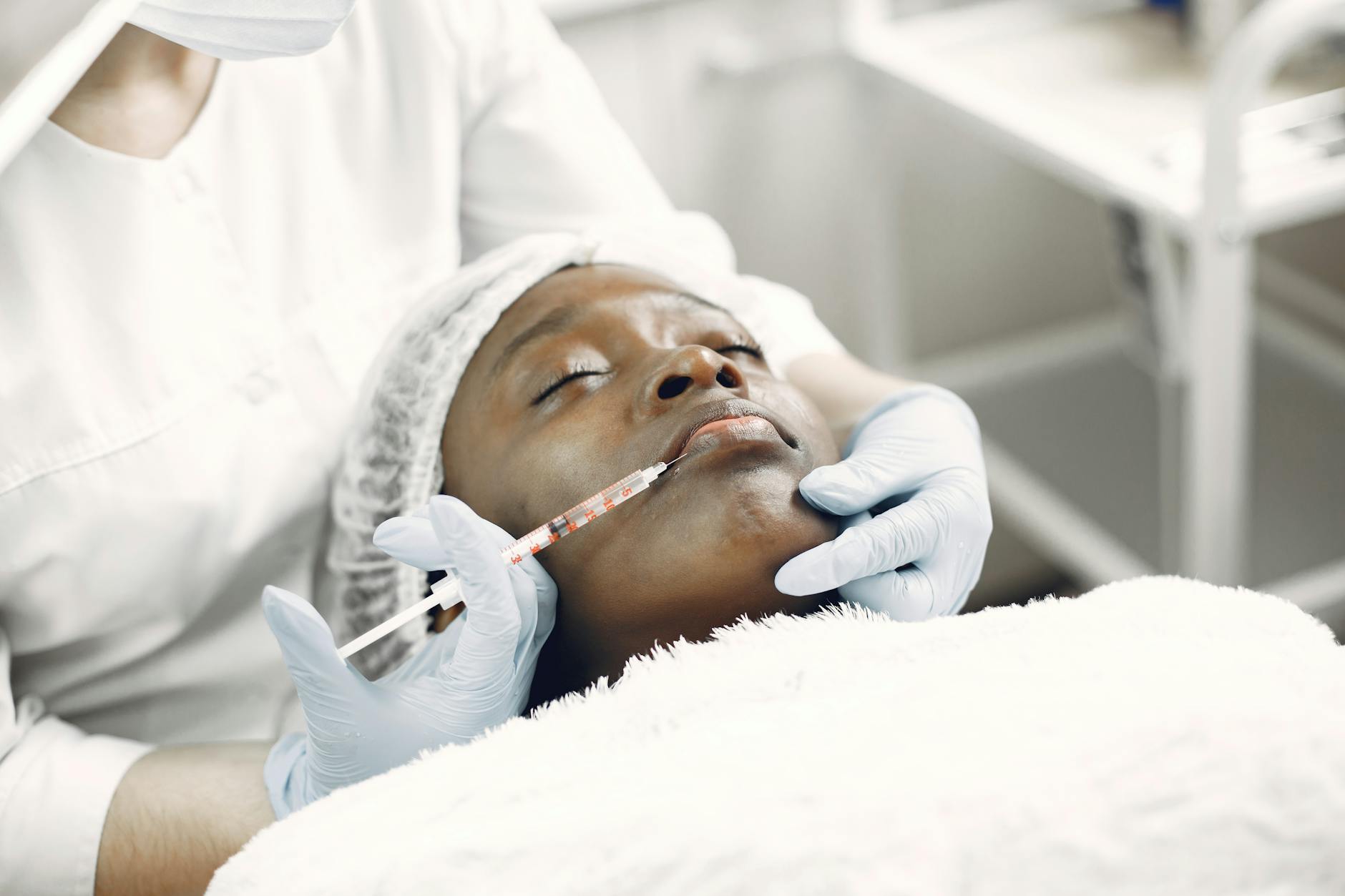
Botox and dermal fillers have become almost routine in today’s beauty culture. Walk into a dermatology clinic, and you’ll see women in their 50s and 60s seeking smoother skin, lifted cheeks, and fewer wrinkles. But while many hail these treatments as a path to confidence and empowerment, others argue they reflect societal pressure and unrealistic beauty standards.
Are Botox and fillers truly empowering for women over 50, or are they a symptom of a culture obsessed with youth? Let’s explore this controversial discussion.
The Case for Botox and Fillers
1. Confidence and Self-Esteem
Many women report that non-surgical treatments help them feel more confident, especially in professional and social settings. Smooth skin and restored facial volume can reflect a sense of self-care and vitality.
2. Non-Surgical, Low Downtime
Unlike facelifts, Botox and fillers are quick, minimally invasive procedures. Women can leave the clinic and return to work or social activities the same day.
3. Aesthetic Control
Women over 50 often seek subtle enhancements rather than dramatic changes. Treatments allow them to control how they age gracefully, addressing deep lines or sagging cheeks without going under the knife.
4. Health Adjacent Benefits
Botox is sometimes used for medical purposes—migraines, hyperhidrosis (excess sweating), or neck pain—which complicates the discussion. Is it purely cosmetic, or can it genuinely improve quality of life?
You might also like:
The Case Against: Societal Pressure and Ethical Concerns
1. The Pressure to Stay Young
Critics argue that the rise of Botox and fillers reflects a cultural obsession with youth. Many women feel pressured to maintain a “young” appearance to remain valued in society, even when they are healthy and vibrant.
2. Cost and Accessibility
Treatments can be expensive—Botox averages $10–$20 per unit, and fillers can run $500–$2,000 per syringe. This raises questions about equity and privilege: Should feeling confident depend on the ability to pay for cosmetic enhancements?
3. Risk of Overuse
While many treatments are subtle, repeated injections or excessive use can lead to unnatural expressions or “frozen” looks. Critics say this perpetuates unrealistic standards, even among women who just want to feel good about themselves.
4. Psychological Dependence
Some women may become reliant on cosmetic treatments for self-esteem, potentially masking deeper emotional or psychological needs.
Botox vs. Fillers: A Debate Within the Debate
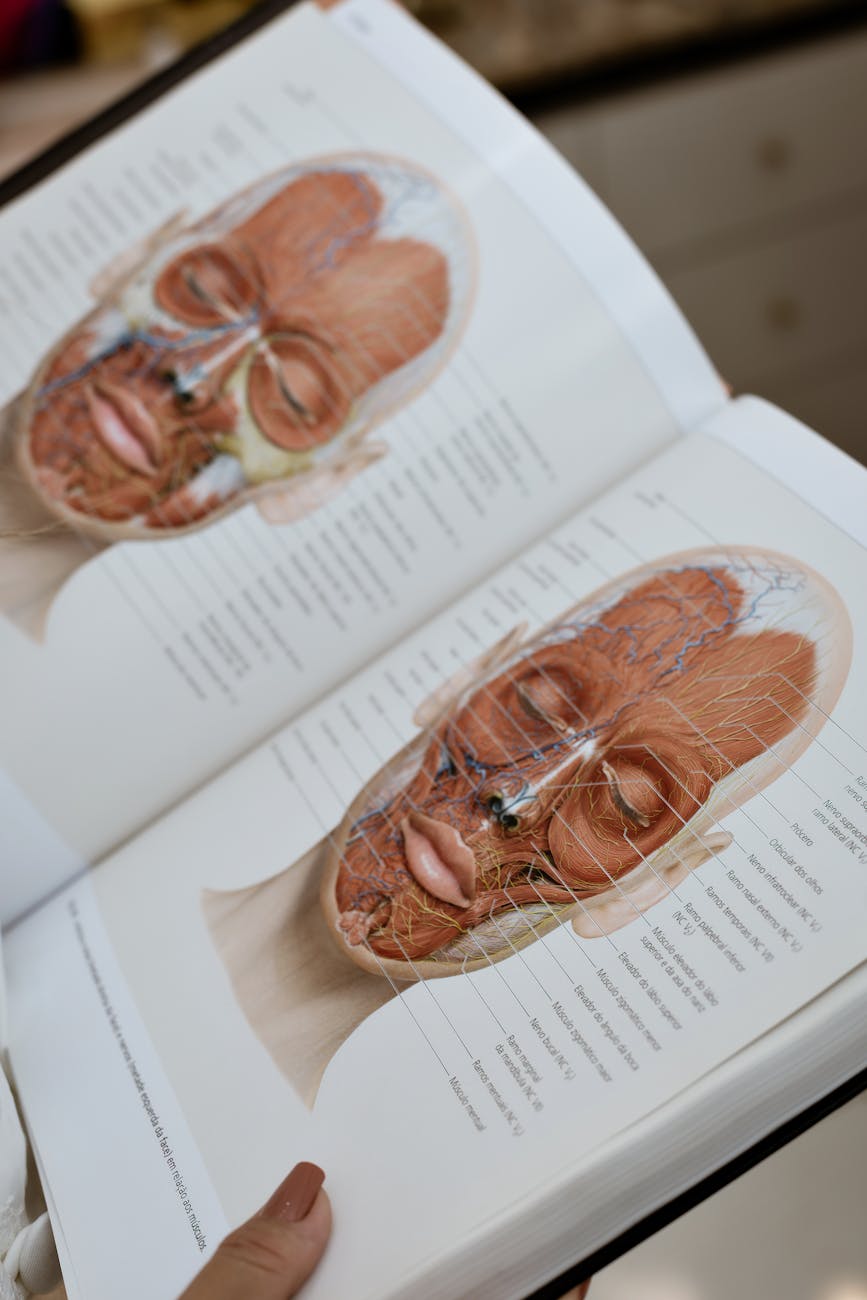
Botox: Temporarily relaxes muscles to prevent dynamic wrinkles. Some argue Botox masks natural aging, while others see it as a preventive tool.
Fillers: Restore lost facial volume, often in cheeks, lips, and under the eyes. Proponents call it a “liquid facelift,” but detractors argue it can create dependency and fuel a cycle of continual enhancement.
Key Question: Are these treatments truly about personal choice, or are they responses to cultural expectations?
Controversial Questions to Consider
- Is aging naturally being stigmatized?
- Do treatments like Botox reinforce gendered expectations about beauty?
- Where is the line between empowerment and societal pressure?
- Should cosmetic procedures be a personal choice or a cultural expectation?
These questions make the discussion far from simple. The same treatment that empowers one woman may feel like a burden to another.
Risks and Realities
Even in a discussion about empowerment, it’s important to consider medical realities:
- Botox and fillers are generally safe but not risk-free.
- Potential side effects include bruising, swelling, or in rare cases, complications with facial arteries.
- Results are temporary, so ongoing treatment is often necessary.
Fact: True empowerment comes from informed decisions, not pressure to conform.
How to Navigate This Decision
- Reflect on Your Motivation: Are you doing it for yourself or societal expectations?
- Research and Choose Wisely: Board-certified providers are essential for safety and natural results.
- Start Subtly: Less is often more—gradual enhancement preserves natural expression.
- Combine With Lifestyle: Healthy skin care, hydration, and sleep amplify effects.
- Consider Non-Cosmetic Alternatives: Facial exercises, skincare serums, and healthy habits can complement or even replace minor treatments.
The Broader Cultural Conversation
Botox and fillers spark debate beyond the clinic:
- Media Influence: Social media filters and celebrity culture drive expectations for youthful skin.
- Ageism: Women over 50 often feel invisible in society, prompting some to use treatments to reclaim visibility.
- Empowerment vs. Exploitation: While treatments can be liberating, critics argue the industry profits from insecurities.
Conclusion: There Is No Right Answer
Botox and fillers for women over 50 are neither inherently good nor bad—they are personal choices surrounded by societal debate.
- For some, they offer empowerment, confidence, and subtle rejuvenation.
- For others, they highlight pressures to conform to unrealistic beauty standards.
The real discussion isn’t just about the treatments themselves—it’s about how we value aging, beauty, and self-worth in a culture obsessed with youth.
Whatever your choice, the most important factor is informed consent and self-reflection. Are you choosing these treatments for yourself—or because society told you to?