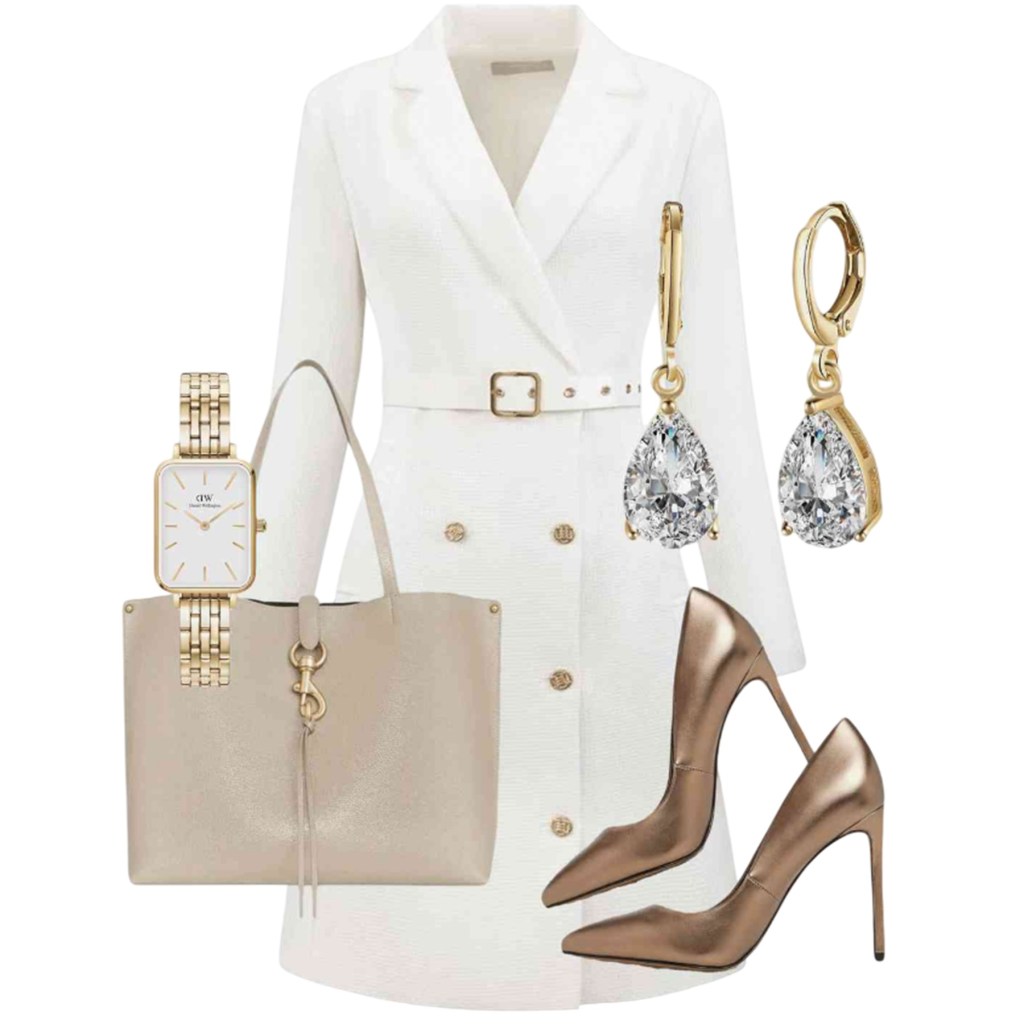
Turning 50 is a time of reflection, change, and opportunity. Many women begin to think more seriously about financial security, retirement planning, and lifestyle choices. Frugal living isn’t about denying yourself—it’s about making intentional choices, spending wisely, and creating a life that feels both secure and fulfilling.
For women over 50, embracing frugality can mean reducing stress, saving more, and prioritizing what truly matters. In this guide, we’ll explore practical strategies for living well on a budget while maintaining health, comfort, and freedom.
Why Frugal Living Matters After 50
Financial freedom becomes increasingly important after 50. You might be:
- Approaching retirement
- Supporting adult children or aging parents
- Managing health and medical expenses
- Planning for long-term stability
Living frugally helps you stretch your dollars, reduce debt, and prepare for future goals without sacrificing quality of life. It also allows you to focus on experiences, hobbies, and relationships rather than material possessions.
Core Principles of Frugal Living
1. Spend Mindfully
Mindful spending is at the heart of frugality. Before buying something, ask yourself:
- Do I really need this?
- Will I use it often?
- Could I find it cheaper or secondhand?
Being conscious of each purchase ensures your money goes toward things that truly matter.
2. Track Your Expenses
Many women are surprised by how much small, routine purchases add up. Tracking your spending—even for a month—can highlight opportunities to save. Simple tools like spreadsheets or apps such as Mint or YNAB help you see where your money is going and identify areas for improvement.
3. Prioritize Needs Over Wants
After 50, it’s wise to focus on essentials first: housing, utilities, food, transportation, and health. Discretionary spending should enhance your life, not create financial stress.
4. Invest in Quality
While frugality often means spending less, sometimes it makes sense to spend a bit more upfront for high-quality items. Durable clothing, comfortable shoes, or reliable appliances can save money in the long run by reducing replacements.
5. Embrace DIY
Learning to cook, repair, or craft at home is not only frugal—it’s empowering. Small DIY skills save money, build confidence, and even become hobbies that enrich your life.
Practical Strategies for Frugal Living
1. Health and Nutrition
Eating well is one of the most important investments after 50. Healthy choices reduce medical costs and support energy and well-being.
- Meal planning: Plan weekly meals around sales and seasonal produce.
- Cook at home: Home-cooked meals are cheaper and healthier than eating out.
- Batch cooking: Prepare meals in bulk to save time and reduce waste.
- Frozen or bulk foods: Frozen vegetables, grains, and beans are nutritious and economical.
Tip: A high-quality blender or food processor is a worthwhile investment for easy, healthy meal prep.
2. Reduce Utility Costs
Energy and water bills can be lowered with simple changes:
- Switch to LED lighting
- Install energy-efficient appliances
- Unplug devices when not in use
- Use a programmable thermostat to optimize energy use
These small adjustments add up over time and free up money for other priorities.
3. Frugal Fashion
- Shop thrift stores or secondhand boutiques
- Focus on versatile wardrobe staples
- Repair clothes instead of discarding them
- Choose classic styles that last longer
Frugal fashion allows you to look polished and stylish while saving money for other life goals.
4. Transportation Savings
Transportation can be a major expense. Ways to reduce costs include:
- Walking, biking, or using public transport
- Carpooling with friends or family
- Downsizing to a fuel-efficient vehicle
- Keeping your car well-maintained to avoid expensive repairs
5. Home Management
Your home is both a comfort and an investment. Frugal strategies include:
- Refinancing your mortgage if rates are favorable
- Maintaining your home to prevent costly repairs
- Using DIY solutions for small improvements
- Decluttering or downsizing to reduce space and costs
6. Entertainment on a Budget
Entertainment doesn’t have to be expensive:
- Borrow books, movies, and music from the library
- Attend free community events or enjoy nature outings
- Rotate streaming services instead of subscribing to multiple platforms
- Take up low-cost hobbies like gardening, crafting, or walking groups
7. Medical and Health Care Savings
Healthcare is an essential expense after 50. Frugal tips include:
- Compare prescription prices and use generic medications
- Schedule regular checkups to catch issues early
- Consider telehealth appointments when appropriate
- Use discount or membership programs for routine health needs
8. Debt Management
Reducing debt frees up money for saving and investing:
- Pay off high-interest credit cards first
- Consider using the snowball or avalanche method for debt repayment
- Avoid taking on new debt unnecessarily
- Automate savings for emergencies, health, and retirement
9. Travel Wisely
Travel can be part of a frugal lifestyle:
- Travel in the off-season to save money
- Use reward programs, loyalty points, or cashback apps
- Consider house swaps, vacation rentals, or local travel experiences
- Focus on experiences rather than luxury accommodations
10. Minimalism and Intentional Living
Minimalism complements frugality by encouraging intentional choices and reducing clutter. It helps you focus on what matters most:
- Fewer possessions mean fewer expenses
- Easier maintenance and cleaning
- Less mental clutter and more freedom
Frugal Living Mindset for Women Over 50
A frugal mindset is just as important as the practical strategies:
- Gratitude: Appreciate what you already have instead of constantly seeking new things.
- Patience: Wait for sales or save for big purchases instead of buying on impulse.
- Experience-Oriented: Invest in meaningful experiences over material possessions.
- Long-Term Focus: Every dollar saved today contributes to security, comfort, and freedom tomorrow.
Frugal Living with Family
Women over 50 often balance their finances with family responsibilities. Frugality can help manage these responsibilities:
- Teach frugal habits to children or grandchildren
- Share resources to avoid duplication
- Make joint financial decisions with adult children or partners
Common Myths About Frugality
- Myth: Frugal living is boring.
Truth: It encourages creativity, hobbies, and meaningful experiences. - Myth: Only those with little money can be frugal.
Truth: Many wealthy individuals practice frugality to protect and grow wealth.
- Myth: Frugal living means giving up all luxuries.
Truth: It’s about intentional spending—occasional splurges are part of a smart lifestyle.
Tools and Resources
- Budgeting apps: Mint, YNAB, PocketGuard
- Cashback apps: Rakuten, Ibotta, Honey
- Meal planning: Paprika, Mealime
- Secondhand marketplaces: Poshmark, eBay, Facebook Marketplace
- DIY resources: YouTube tutorials, Skillshare courses